International Conference
on Disaster and Military Medicine
Medical Readiness – Europe’s Strategic Blind Spot?

Medical readiness is no longer optional.
It is a strategic capability, underpinning security, resilience, and societal stability. DiMiMED 2026 convenes the defence and civilian health sectors to address a shared challenge: ensuring Europe’s medical systems perform when demand exceeds design and pressure is sustained.
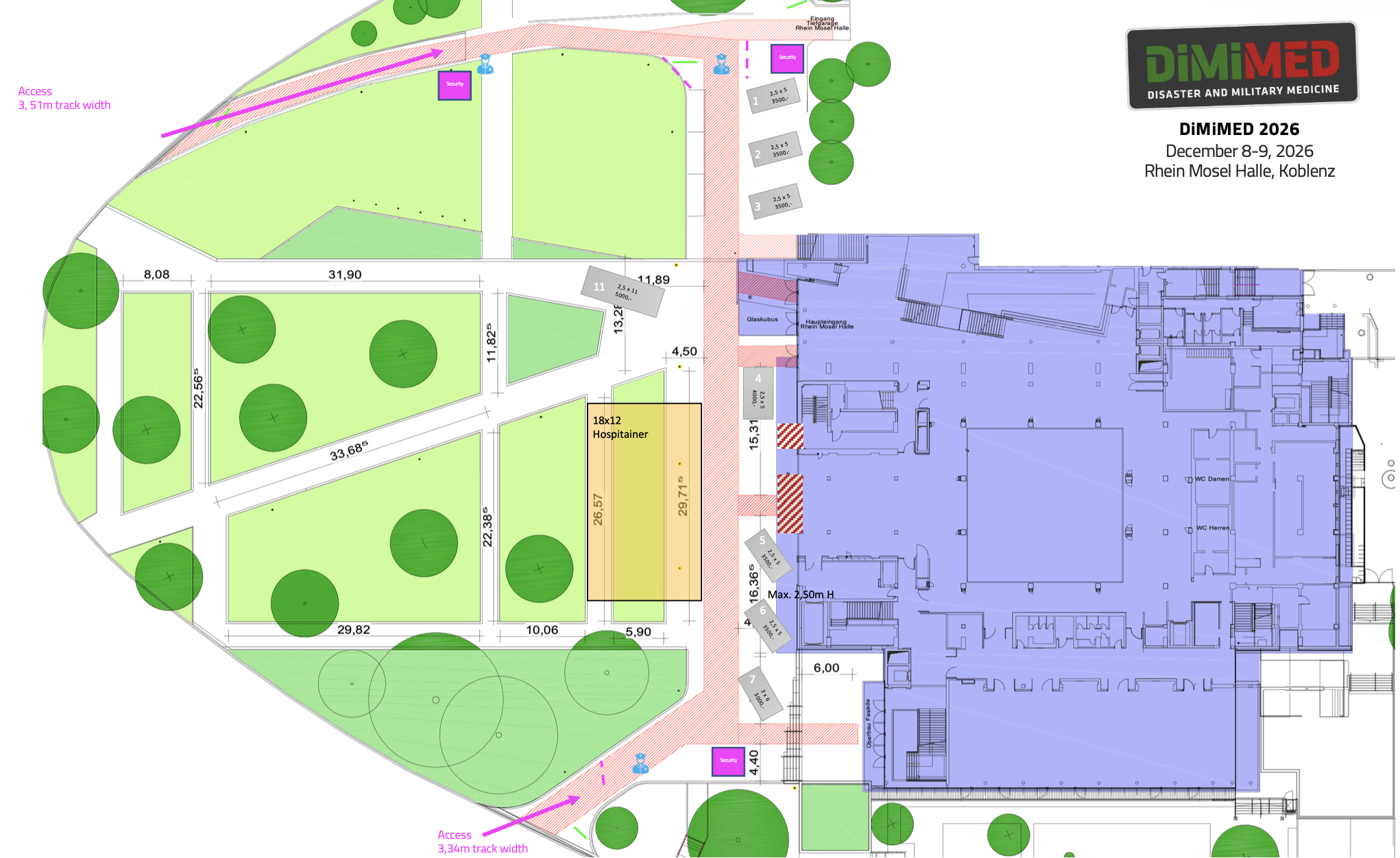
The 14th International Conference of Disaster and Military Medicine (DiMiMED) is being held on December 8-9, 2026 in Koblenz.
This year´s theme will be
Medical Readiness – Europe’s Strategic Blind Spot?
Across Europe, armed forces and disaster relief organisations are expected to respond to high-intensity conflict, mass-casualty disasters, pandemics, and infrastructure collapse, yet recent experience shows that medical capacity consistently fails to scale when pressure becomes sustained. From delayed evacuation in contested battlespaces to overwhelmed civilian hospitals during floods and wildfires, Europe’s systems remain optimised for short-duration crises, rather than prolonged or simultaneous emergencies.
At the same time, we are seeing free-trade agreements being consigned to the rubbish bin, observing humanitarian principles being ignored, and watching long-standing alliances coming under strain and scrutiny. Equally central is the healthcare workforce crisis.
By bringing together military, medical, policy, and industry leaders, the upcoming DiMiMED 2026 conference confronts the uncomfortable reality that key capabilities such as prolonged field care, resilient medical logistics, surge staffing, and long-term rehabilitation at best exist on paper but certainly not yet at operational scale.
The 2026 DiMiMED conference will explore practical pathways to close these gaps, including realistic applications of AI for triage, decision support, logistics forecasting, and training augmentation, alongside the safeguards needed to use such tools responsibly in military and disaster contexts.
It will also examine novel training approaches, from high-fidelity simulation and prolonged-care scenarios to joint civil-military exercises that reflect denied, degraded, and disrupted environments. We will address as well concrete measures to attract, retain, and surge medical personnel, including hybrid civilian–military models, new role definitions, task-shifting etc.
By combining an honest assessment of current limitations with applied solutions, the conference aims to move the discussion from abstract preparedness to practical, medically sustainable action when Europe needs it most.
So now is the time to mark up the diary and ensure your availability for, and access to, the Disaster and Military Medicine event of the year.
Looking forward to meeting you there!
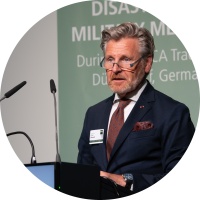
Brigadier General (ret) Dr. Erwin Dhondt
Former Director General Health & Well-being
of the Belgian Defence Forces
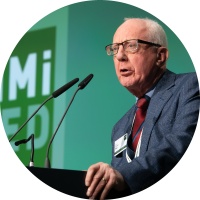
Colonel (ret) Dr. Gerald M. Kerr
Former Surgeon General & Director Medical Corps
of the Irish Defence Forces
Lieutenant General
Dr. Ralf Hoffmann, MD
Surgeon General
of the German Armed Forces
Brigadier General
Dr. Jens Diehm, MD
Director of the NATO Centre
of Excellence for Military Medicine (MILMED COE)
Major General
Marc Ongena, MSc
Vice-chair of the NATO Committee of
Chiefs of Military Medical Services (COMEDS)
Secretary of State
Dr. Raed Arafat, MD, MSc
Head of the Department of Emergency Situations,
at the Ministry of Internal Affairs, Romania
Chair of the NATO Joint Health Group
Dr. Theresa Jackson Santo, PhD, MPH
Acting Director of Warfighter Performance Optimization,
at the Office of the Deputy Assistant Secretary of War
for Safety & Occupational Health, USA
Professor Gloria H. Park, PhD
Director of Performance Psychology,
at the Department of Military and Emergency Medicine
of the Uniformed Services University of the Health Sciences, USA
Johannes Schilling
Head of Unit HERA.02 – Dual Use and Civil-Military Cooperation,
DG HERA, European Commission
Combat Medical Care
Lt. Col. Dr.
Florent Josse, MD (DEU)
Disaster Medicine and the Humanitarian Perspective
Dr. John Quinn, MD (USA)
Force Fitness
Dr. BioMed. Sc.
Kaat Goorts, PhD (BEL)
Mental Health
Col. (ret.) Prof. Dr.
Eric Vermetten, MD, PhD (NLD)
Shape the future of military and disaster medicine. Share your work. Inspire your peers.
We invite students, researchers, policy makers, defence health and healthcare leaders and other professionals
to showcase their work and opinion at the 14th DiMiMED 2026 Conference and in the EMMS 2027 Edition.
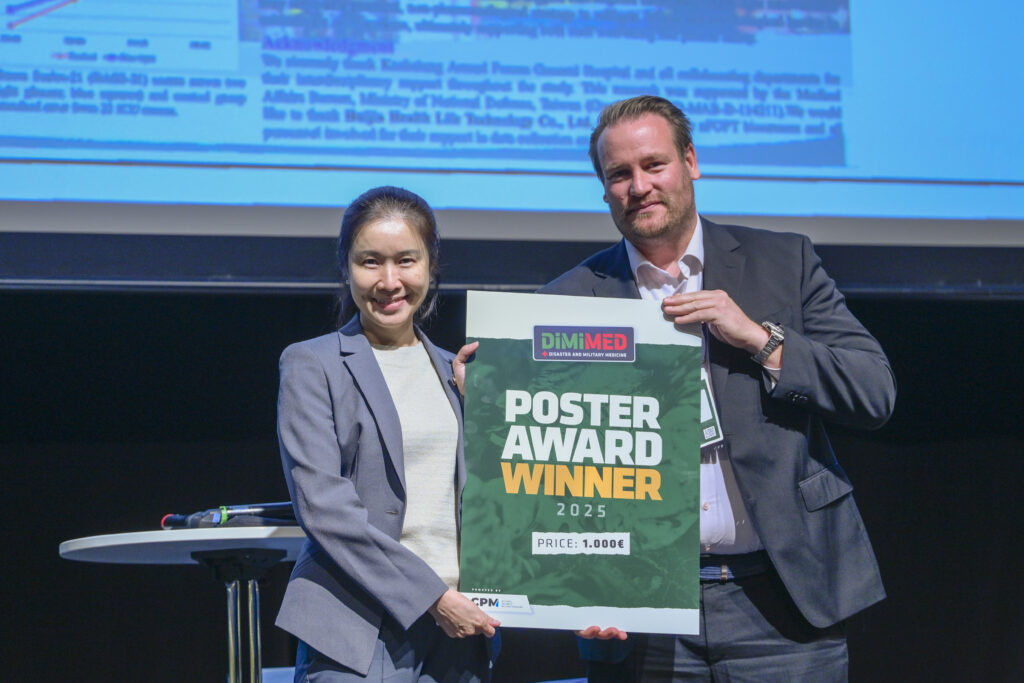
Poster Competition
Present your research and expertise and connect with experts in disaster and military medicine.
Poster topics may include:
Why submit?
Key Information
Edition June 2027
Have you been involved in a compelling case, research project, or unique field experience ?
Submit your work and get published !
We welcome:
Why submit?
Key Information
Article submissions are OPEN now !
(Deadline: January 30, 2027)
Contact us for submission details: [email protected]
(Brigadier General Dr. Erwin Dhondt, MD, editor in chief)
Get involved !
Your ideas matter. Your work saves lives.
Submit your work, share your insights, and be part of a community driving impact in
defence & security global health and healthcare & military and disaster medicine.





















Anticipating the Unknown – Preparing for the Future
Strengthening Medical Capacities to Prepare for Unpredictable Disaster and Combat Challenges
DiMiMED 2025 – “Blood is human fuel”
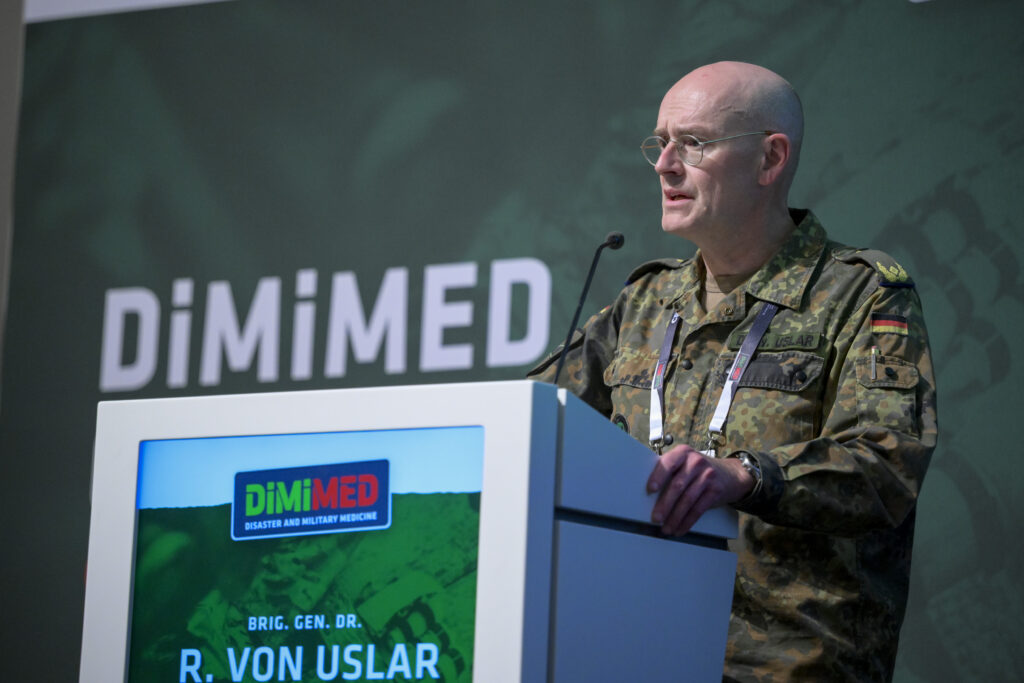
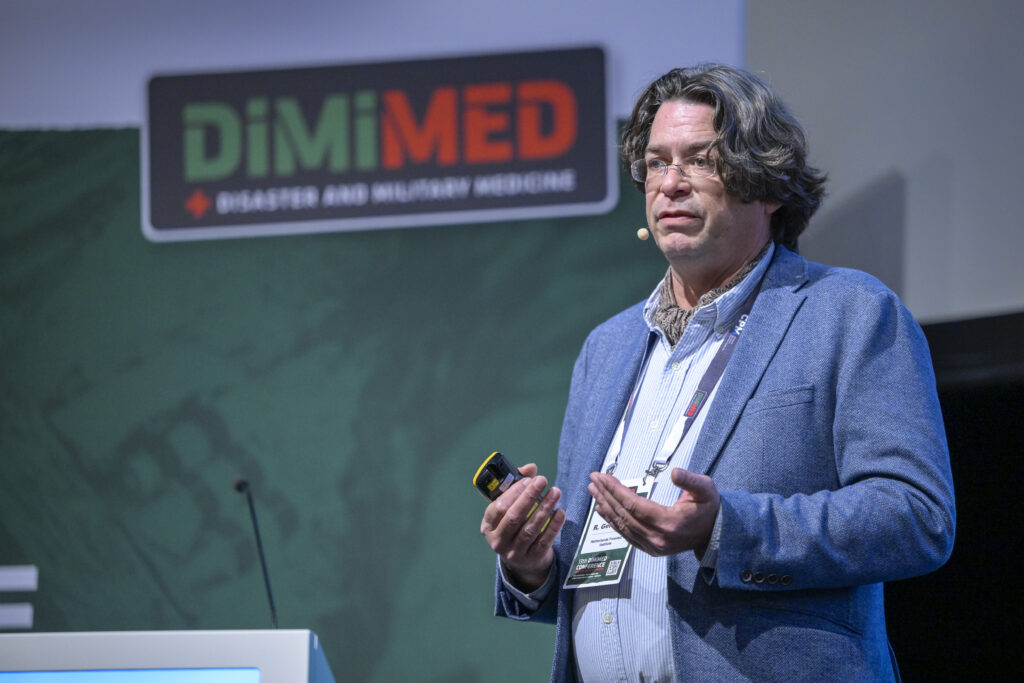
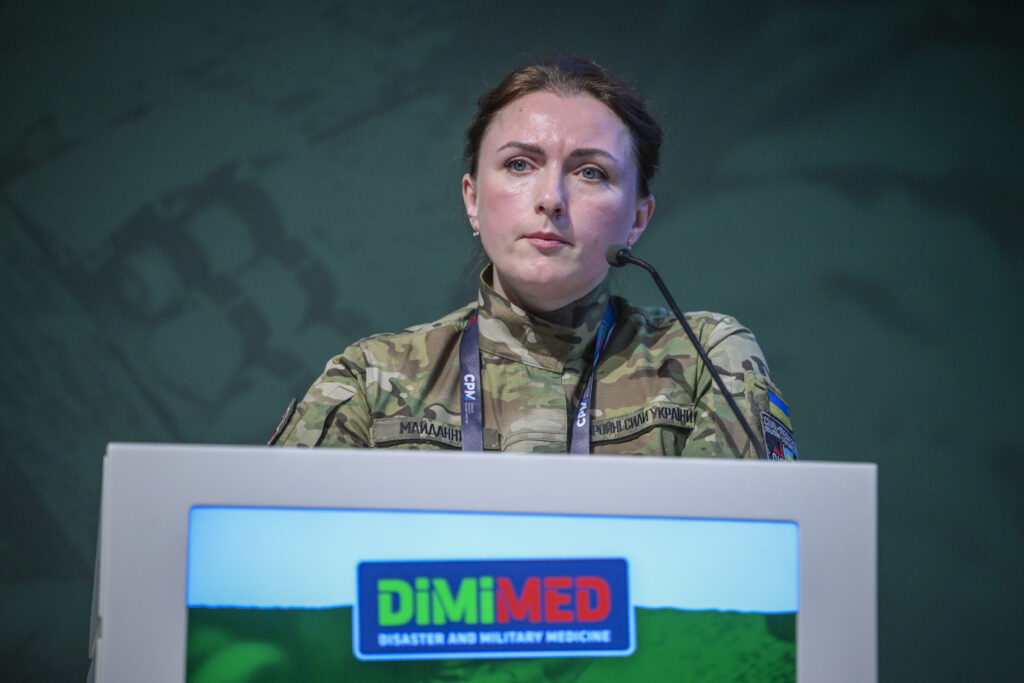
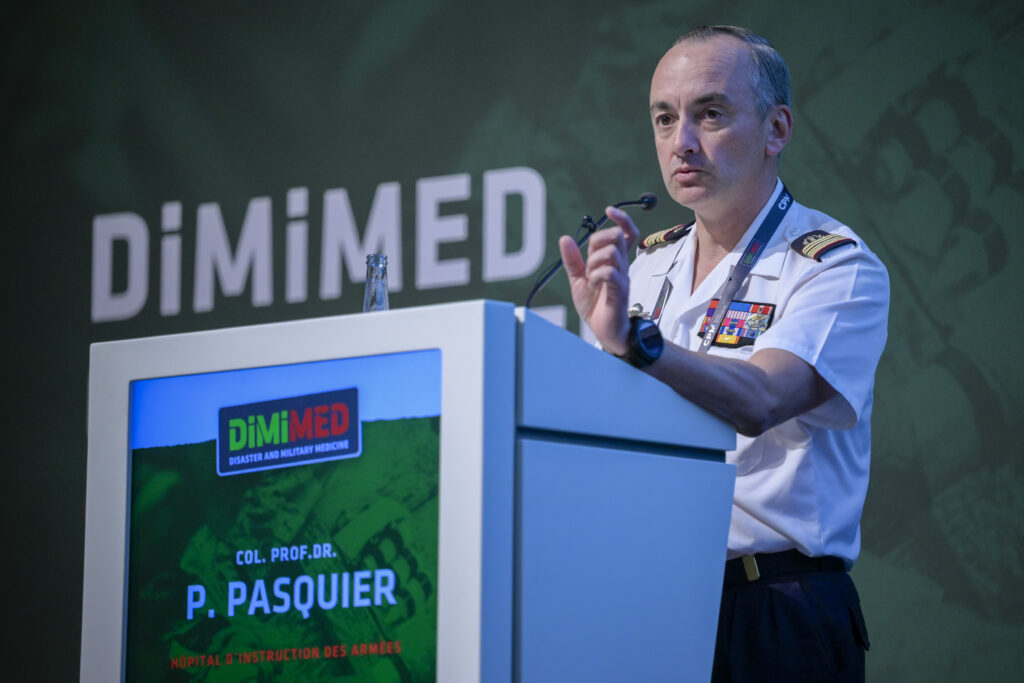
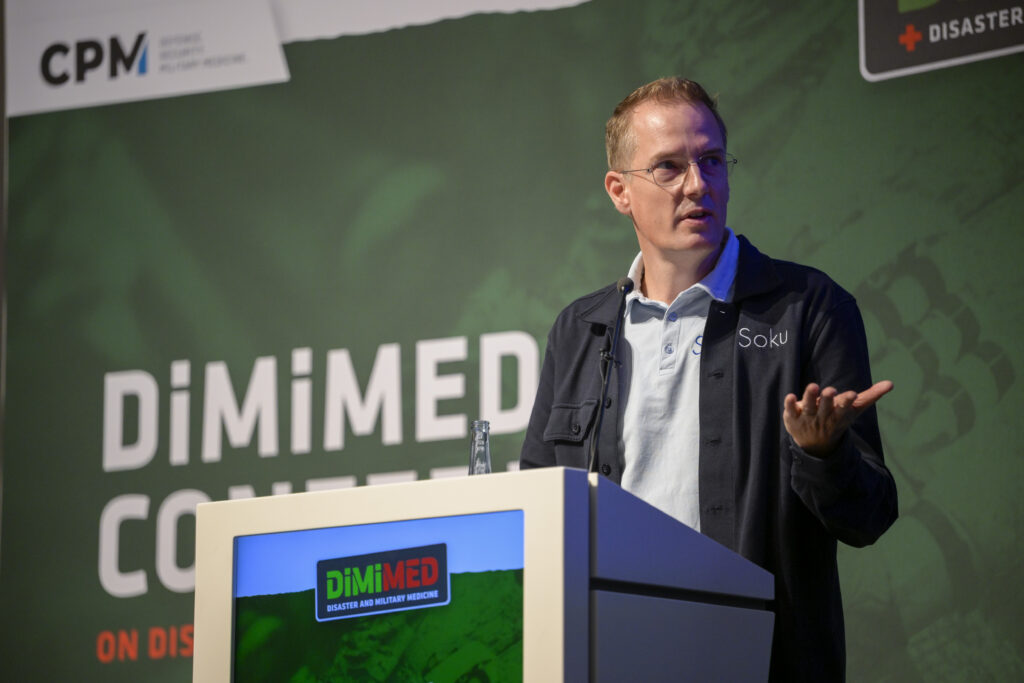
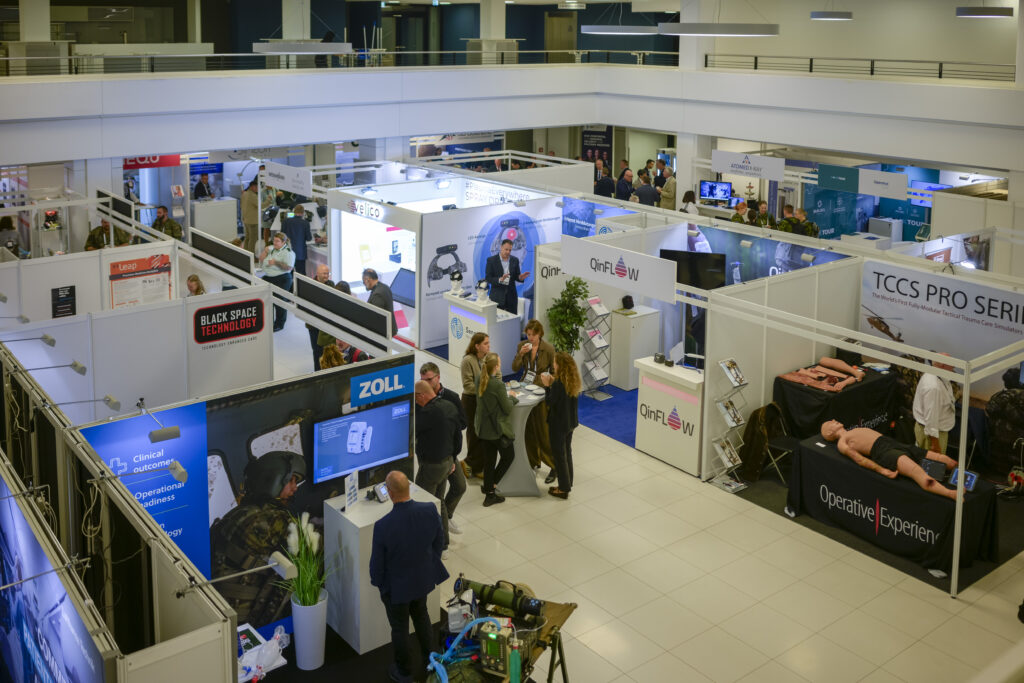
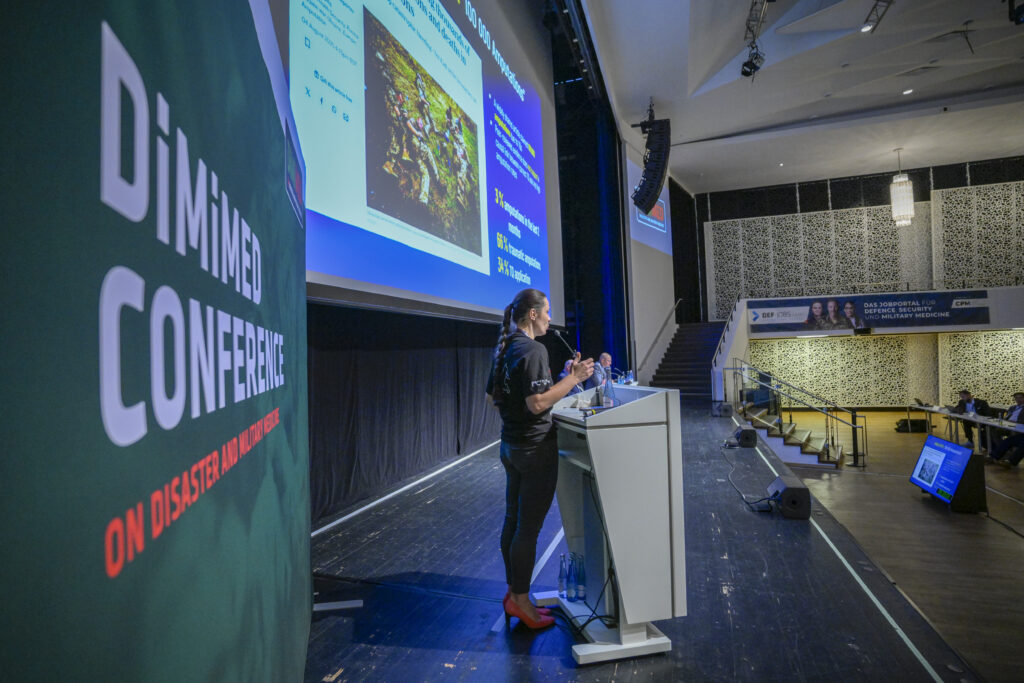
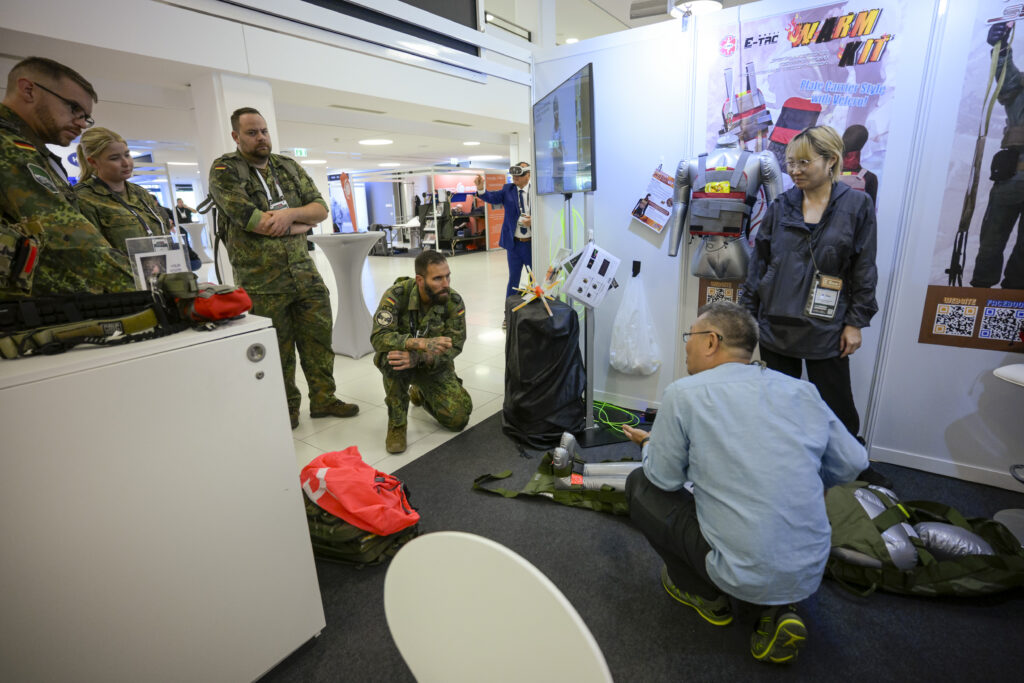
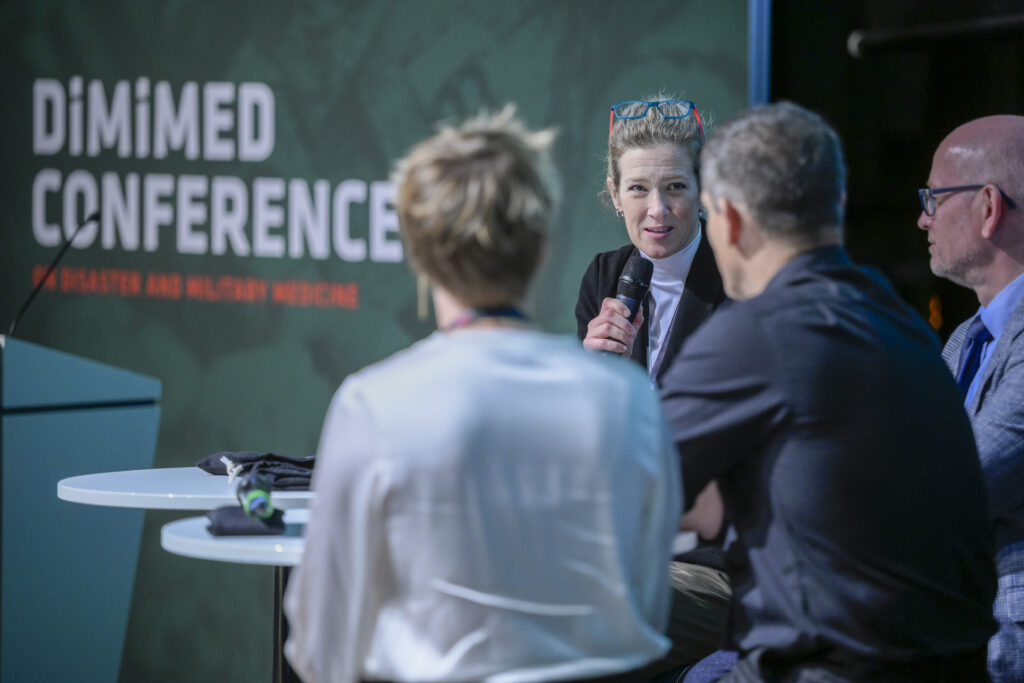
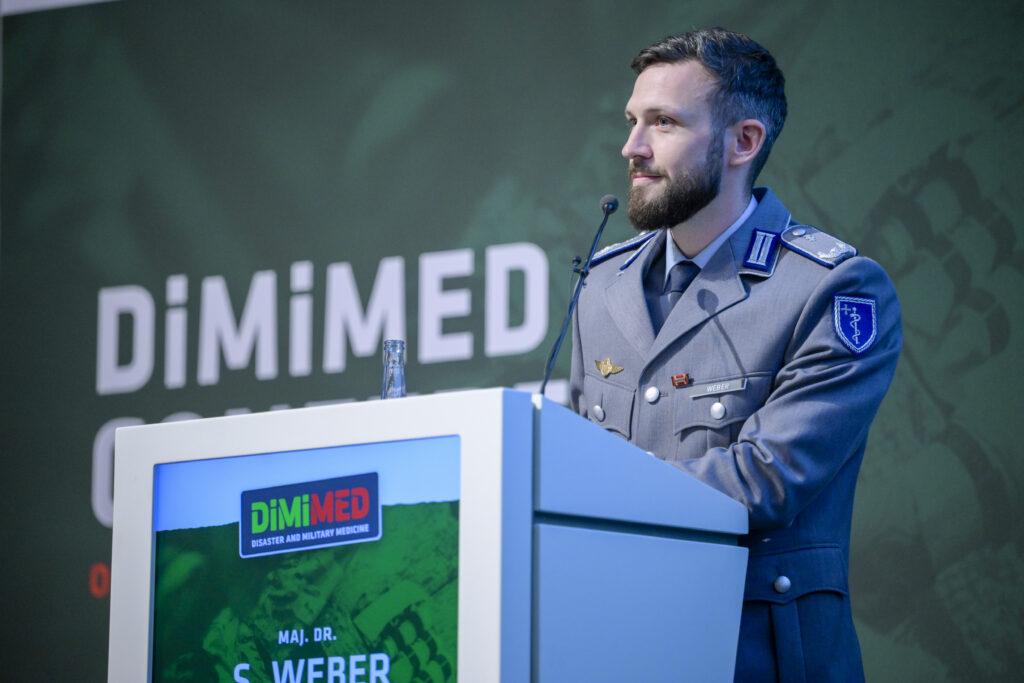
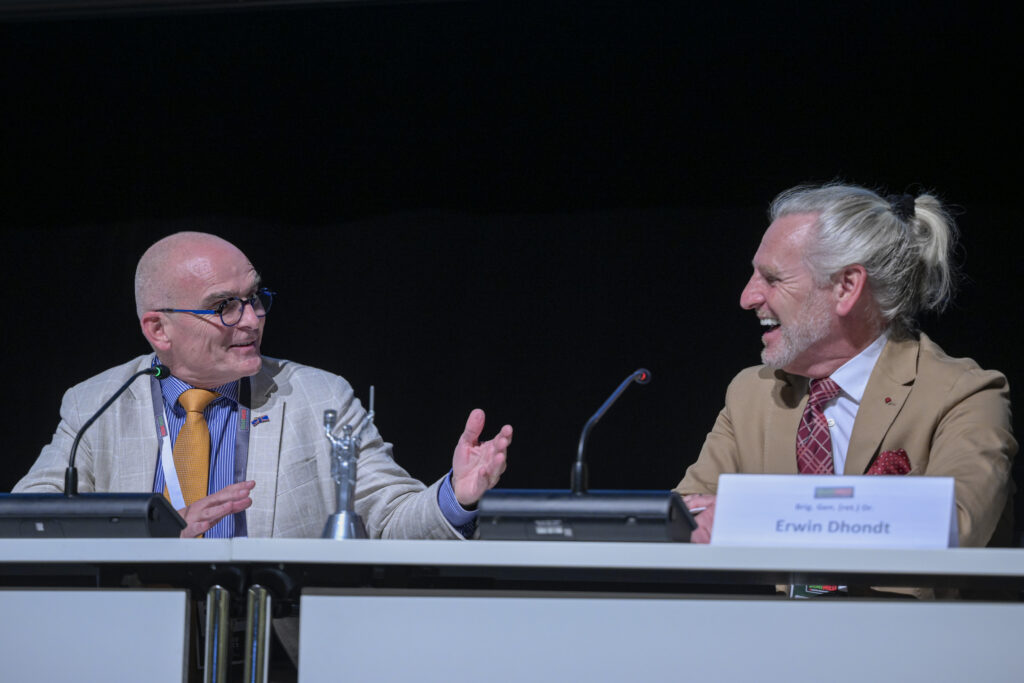
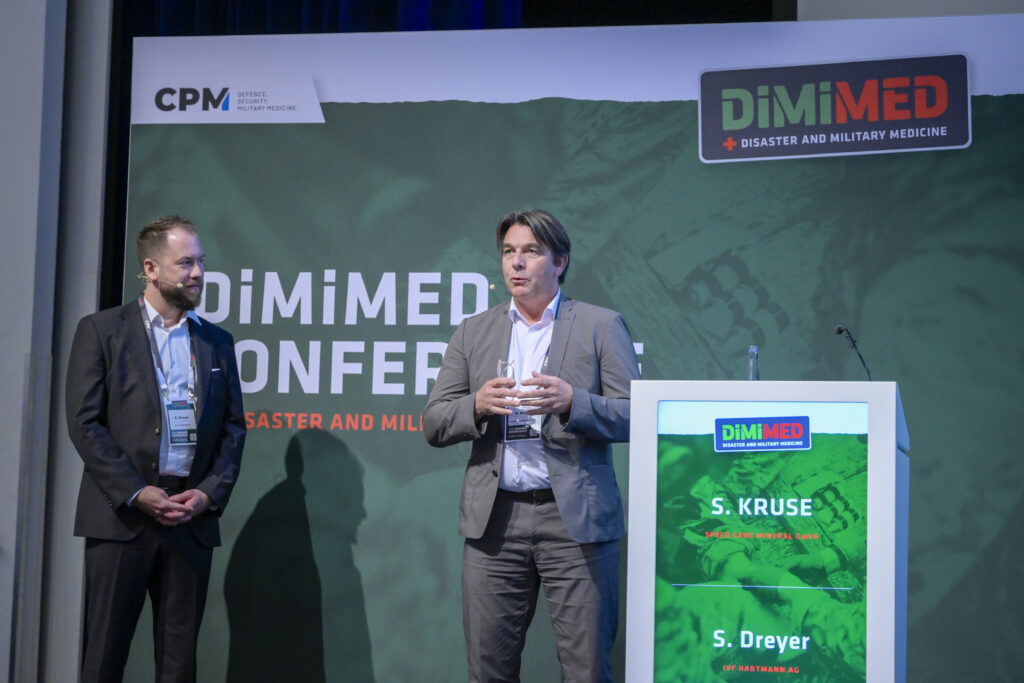
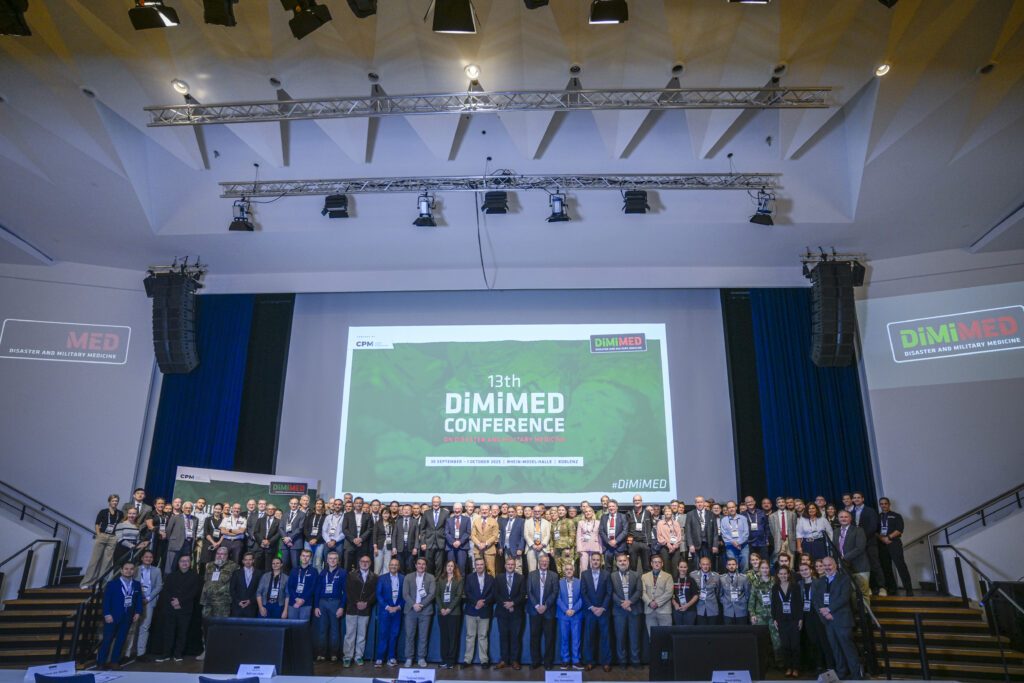
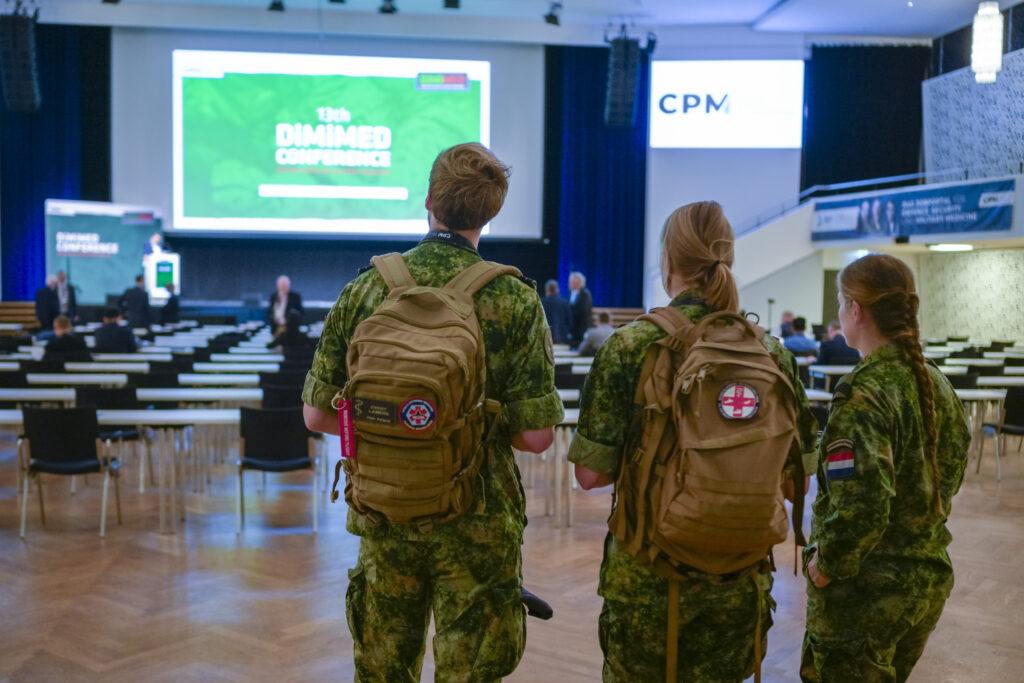
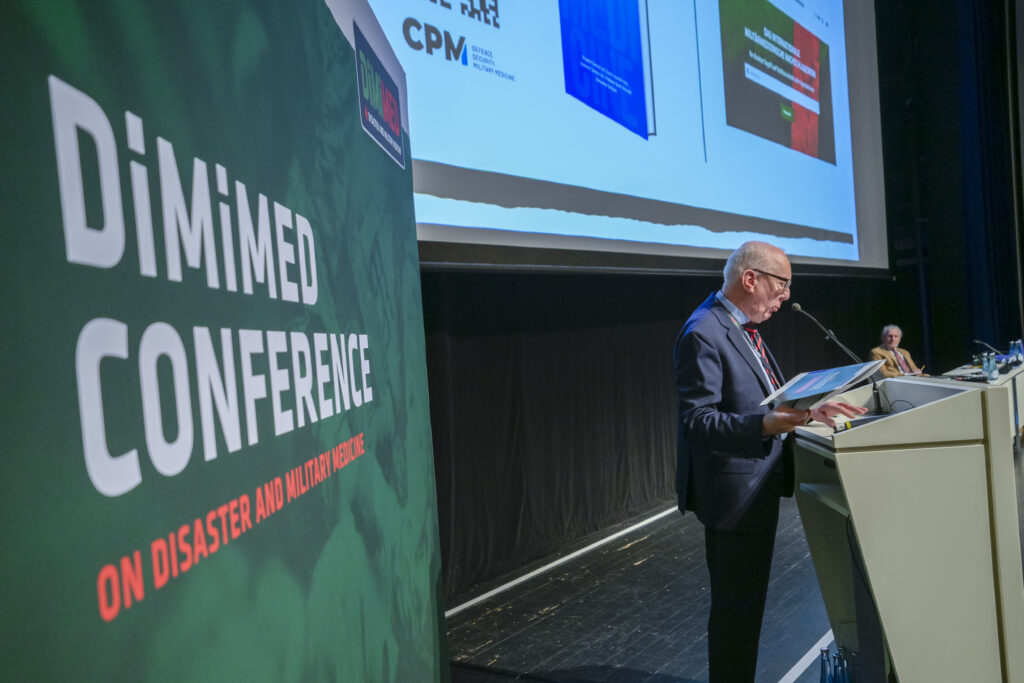
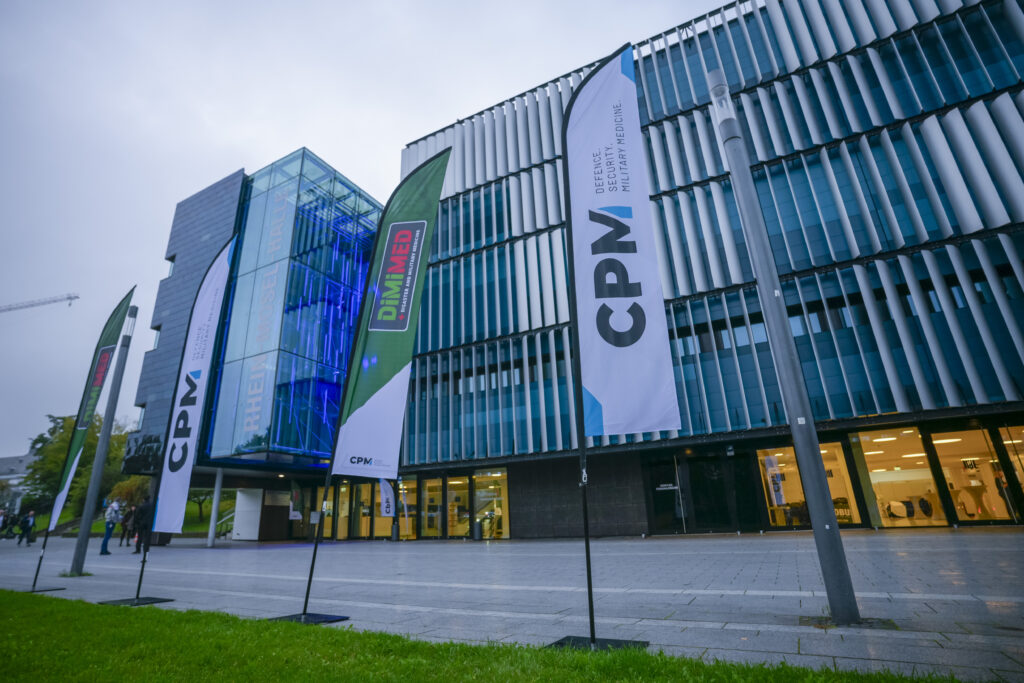
“We cannot predict the next crisis. But we can prepare for unpredictability. We cannot stop every attack. But we can build systems that bend, adapt, and recover. We cannot continue relying on doctrines written for yesterday’s wars and disasters because lives are at stake in this one.” With these words, co-chairman Brigadier general (ret.) Dr. Erwin Dhondt, former Director-general Health and Wellbeing of the Belgian Armed Forces, opened the 13th DiMiMED Conference in Koblenz, which took place from September 30 to October 1, 2025, at the Rhein-Mosel-Halle in Koblenz.
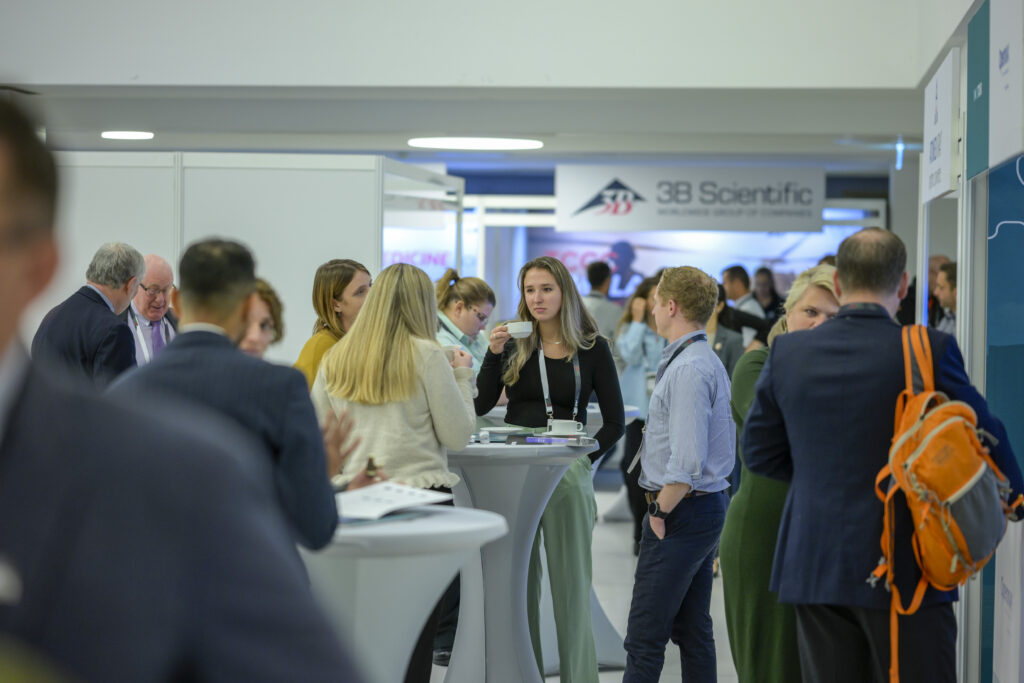
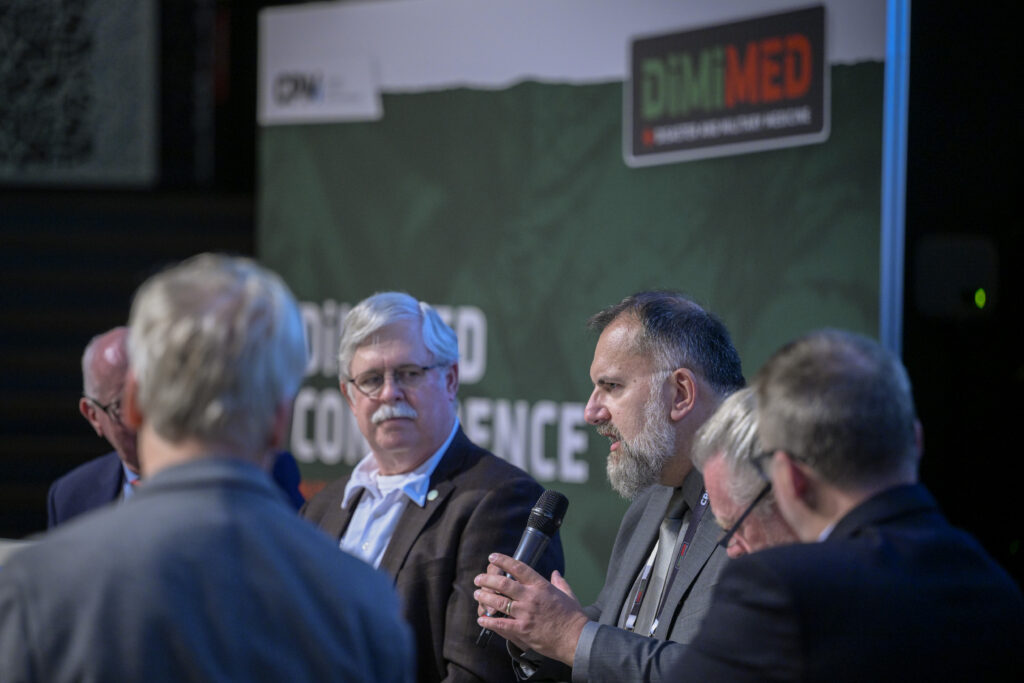
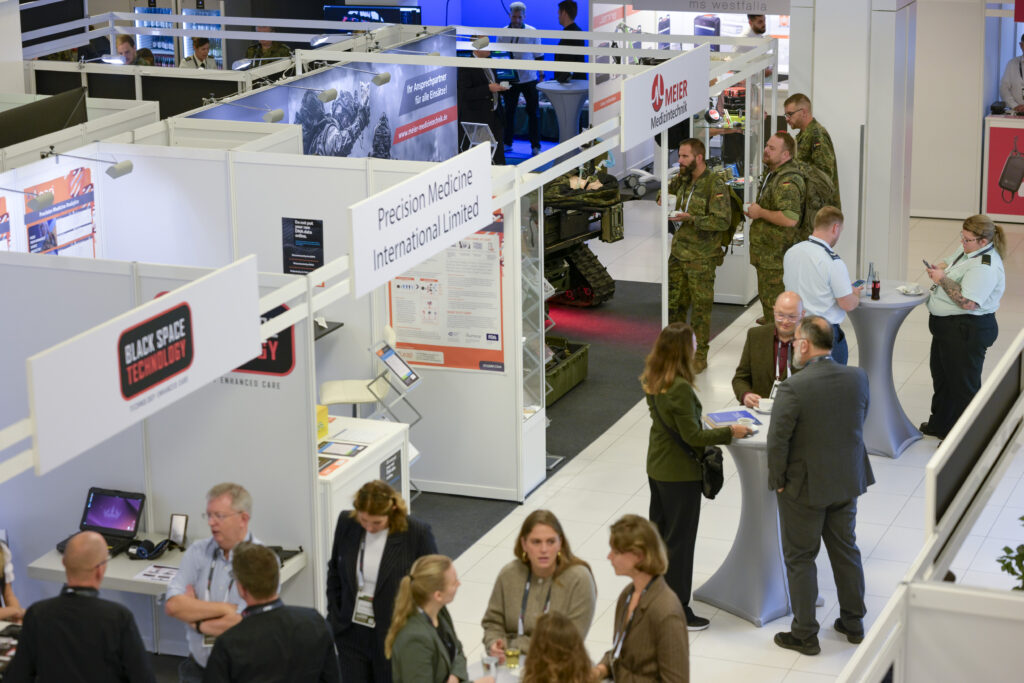
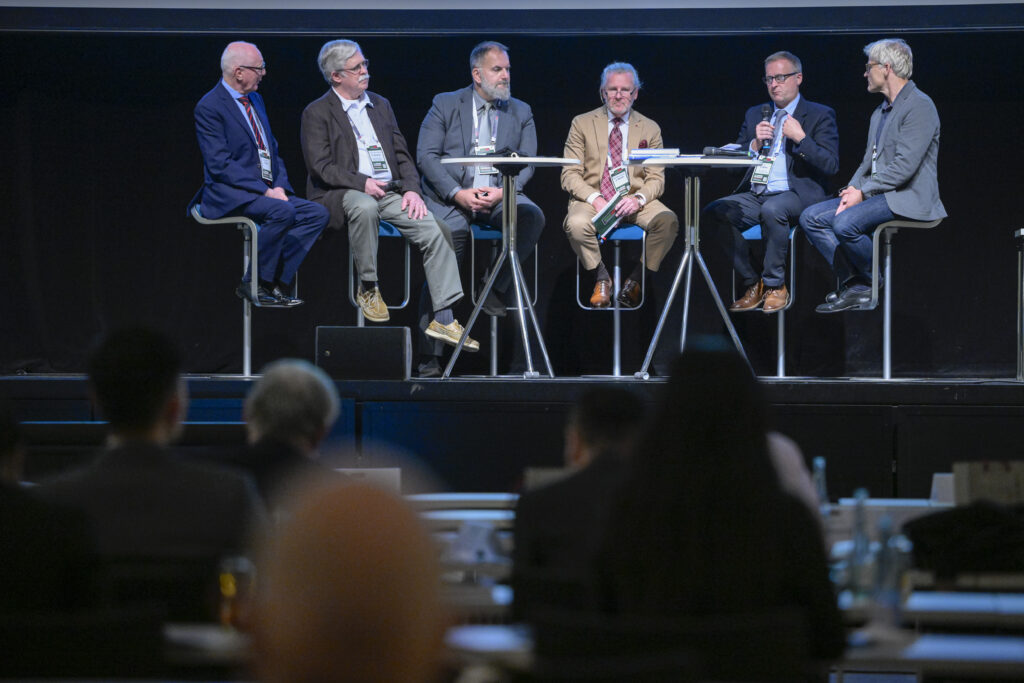
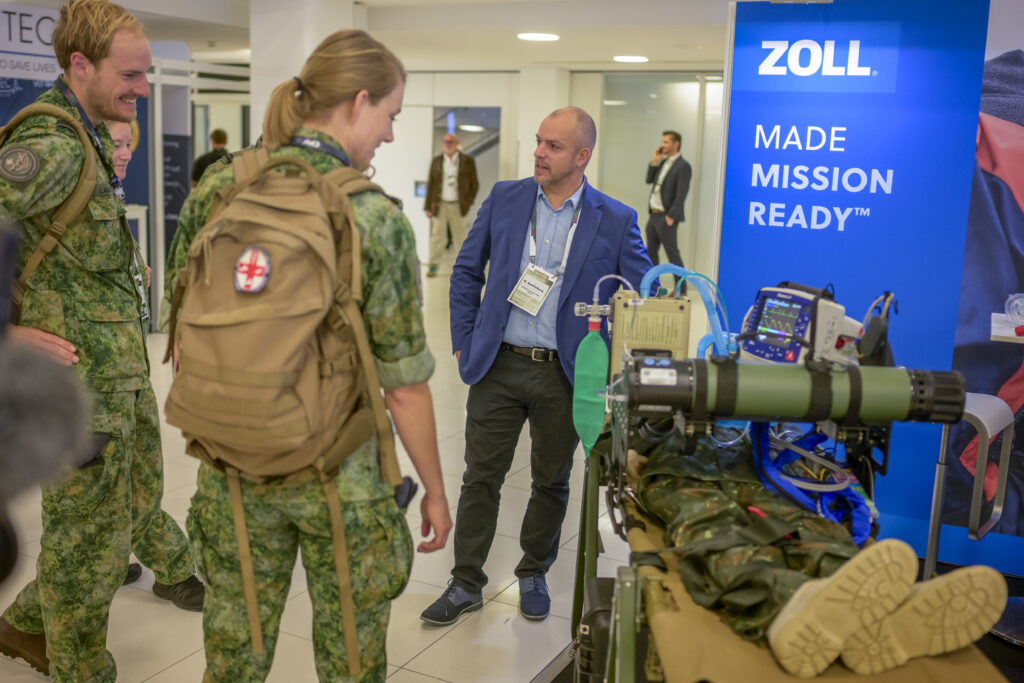
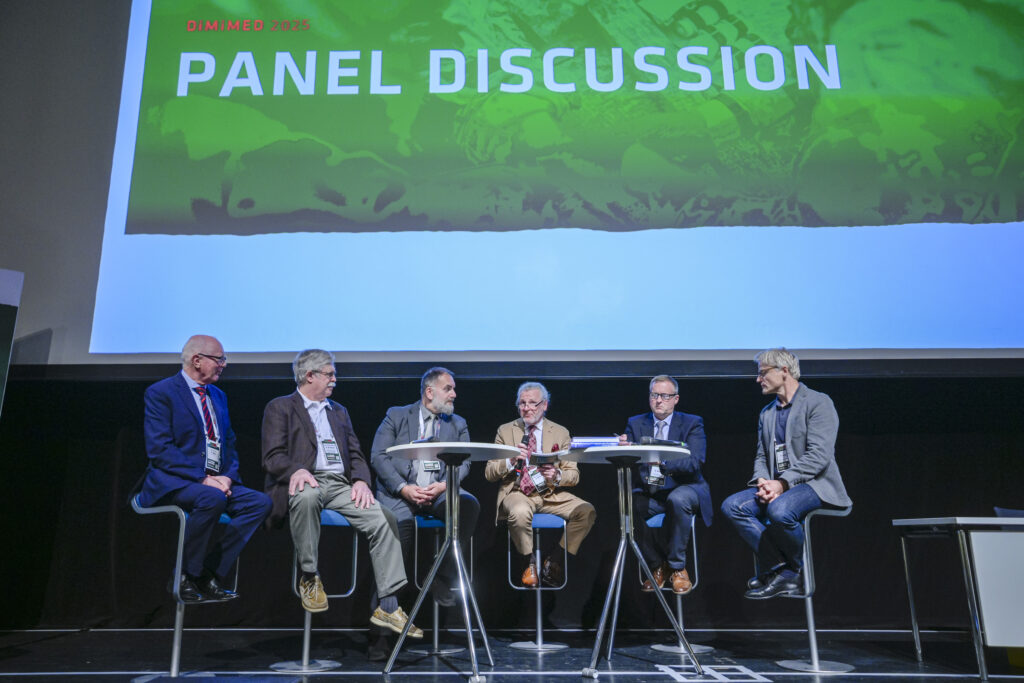
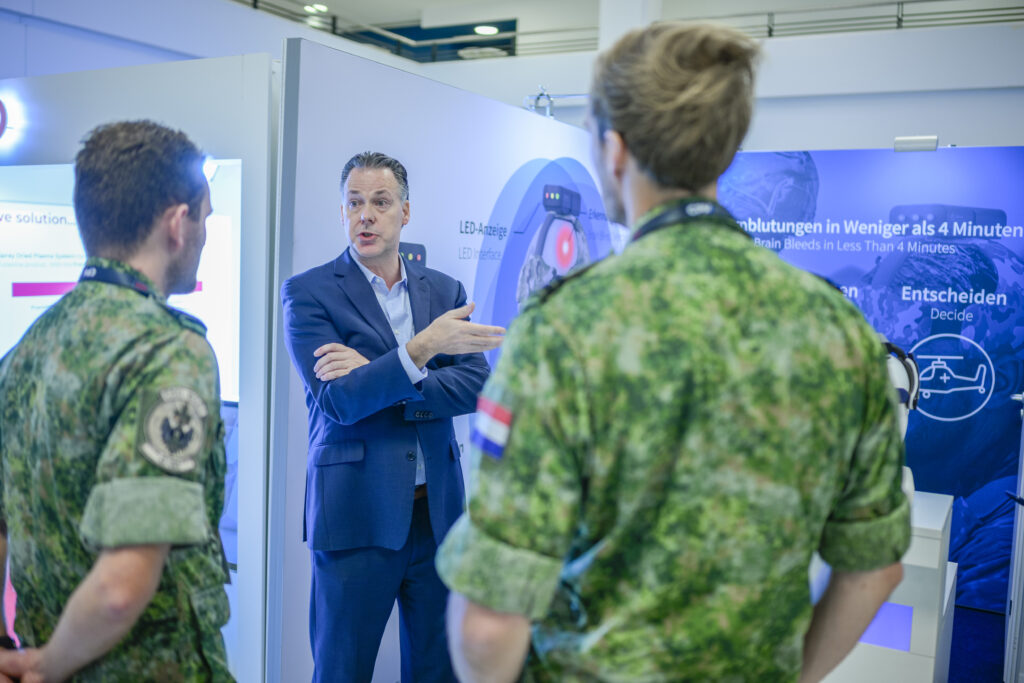
Under the motto “Anticipating the Unknown – Preparing for the Future. Strengthening Medical Capacities for Unpredictable Disaster and Combat Challenges” around 200 participants from 24 countries discussed the future of disaster and military medicine.
DiMiMED is the abbreviation for International Conference on Disaster and Military Medicine. It is an international conference that has been dealing with disaster and military medicine for 13 years. The conference brings together civilian and military experts to exchange knowledge and improve medical care in crisis and emergency situations.
“Look at the world around us,” Dhondt said. “In Ukraine, medics and doctors work under relentless missile attacks, performing surgery in basements while hospitals lose power. In Gaza, military and civilian casualties overlap in dense urban warfare, where every medical act is also an ethical decision.”
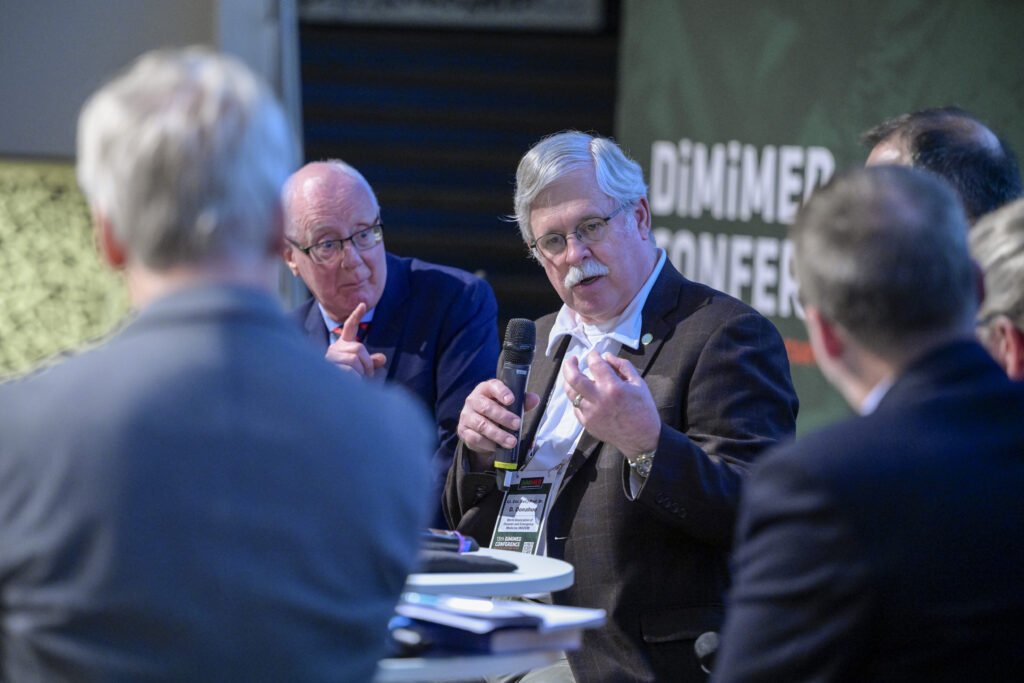
Prof. Dr. Andre Cap, retired Colonel of the US Army Medical Corps, drew parallels with Afghanistan and Iraq in his keynote presentation: There, the 10-1-2 rule applied – the wounded should be taken to a hospital within ten minutes by comrades, within an hour by medics, and within two hours. “We practically flooded this country with medical evacuation capacities,” Cap explained. “Resources that are not available in Ukraine.” Helicopter missions are not possible due to the drone threat, and instead of ten wounded per day, there are often 1,000 to be treated.
Cap described blood as the crucial “human fuel.” “Like diesel for vehicles, the logistics chain must function right up to the front line.” In Ukraine, blood reserves are now transported directly to the trenches by drone. In addition, combat medics – soldiers with advanced medical training – are crucial in keeping the wounded stable for hours or even days. Ukraine has quickly implemented this concept, while Western armed forces have some catching up to do in this area.
Cap also warned of bureaucratic hurdles: In Ukraine, laws have been amended to allow soldiers on the front lines to perform blood transfusions. In NATO countries, however, legal issues could delay care.
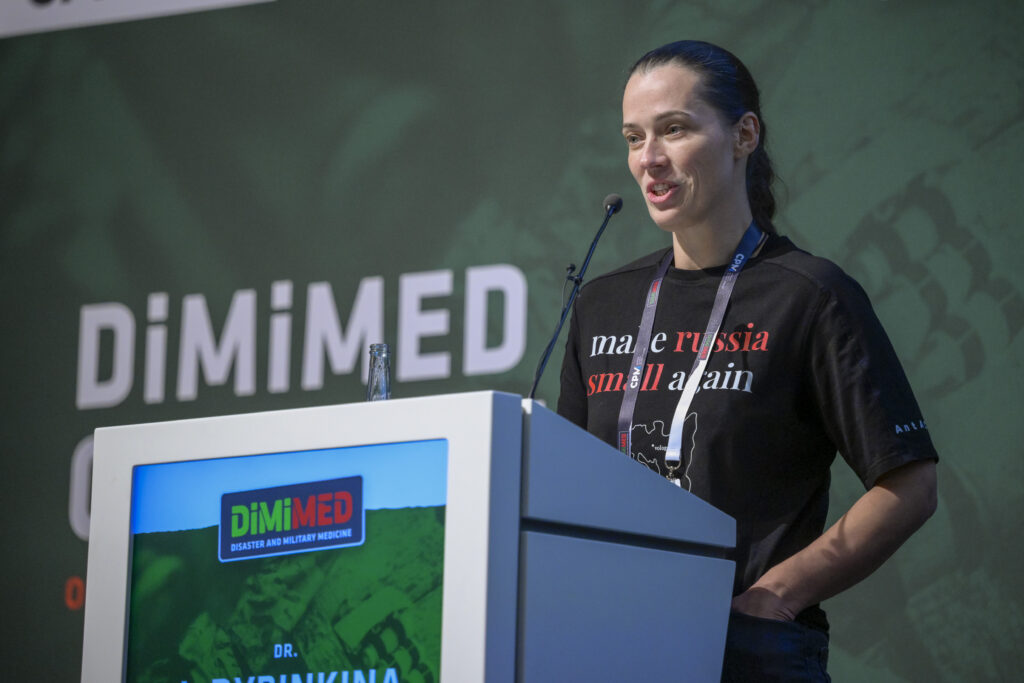
A central block of presentations was devoted to the topic of “Combat Medical Care,” moderated by Lieutenant colonel Dr. Florent Josse from the Bundeswehr Hospital in Ulm. Among other important presentations, Dr. Iryna Rybinkina, an anaesthetist at King’s College Hospital in London (GBR), made a particularly impressive report on her frontline missions in Ukraine.
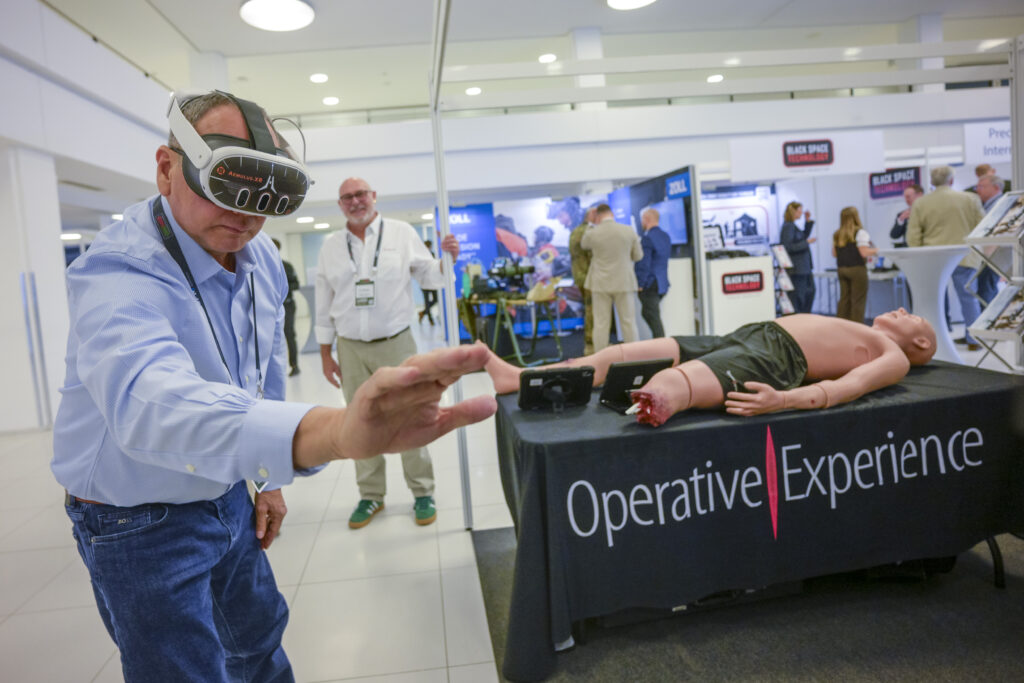
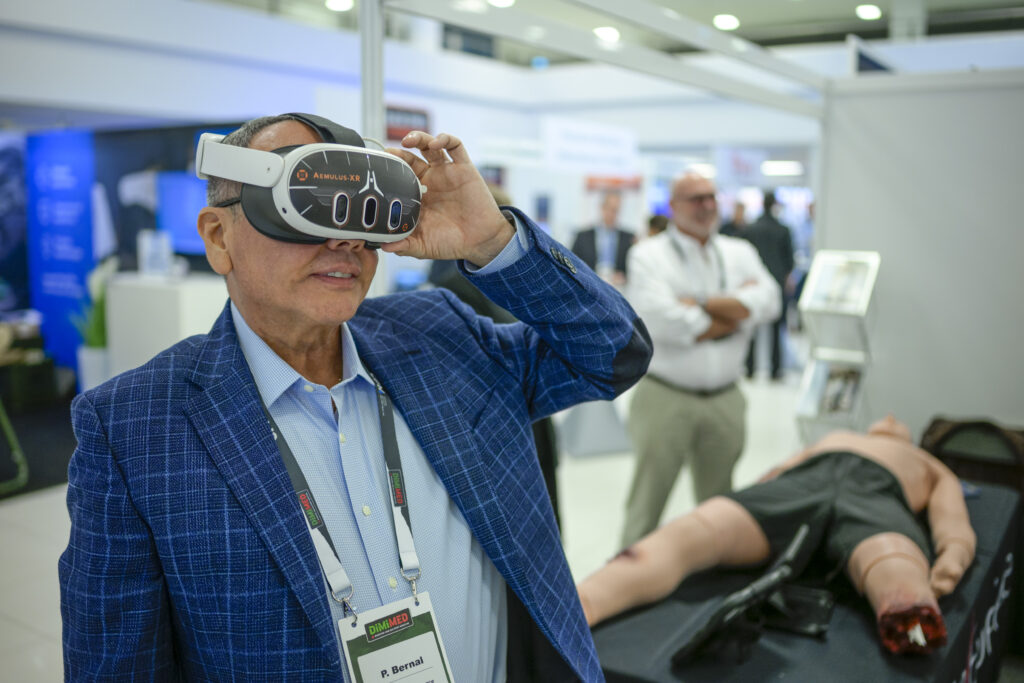
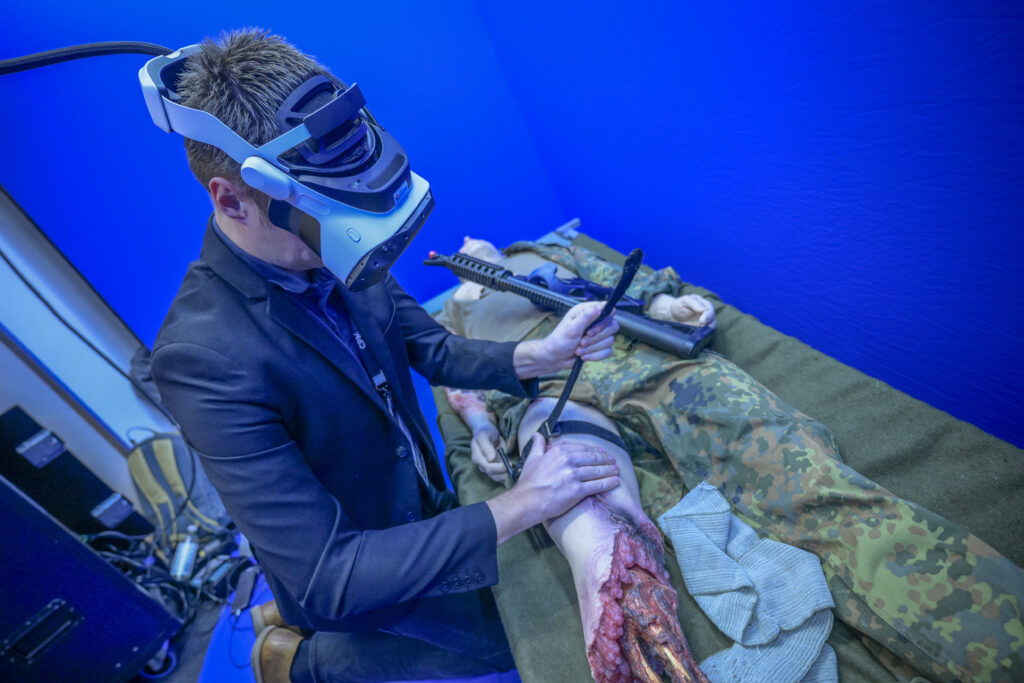
Many key issues relating to the care of the wounded were discussed. DiMiMED 2025 also addressed future topics such as AI-supported diagnostics, robotics in evacuation, resilience training, cyber and information security in hospitals, psychological support for emergency personnel, and dealing with mass casualty scenarios.
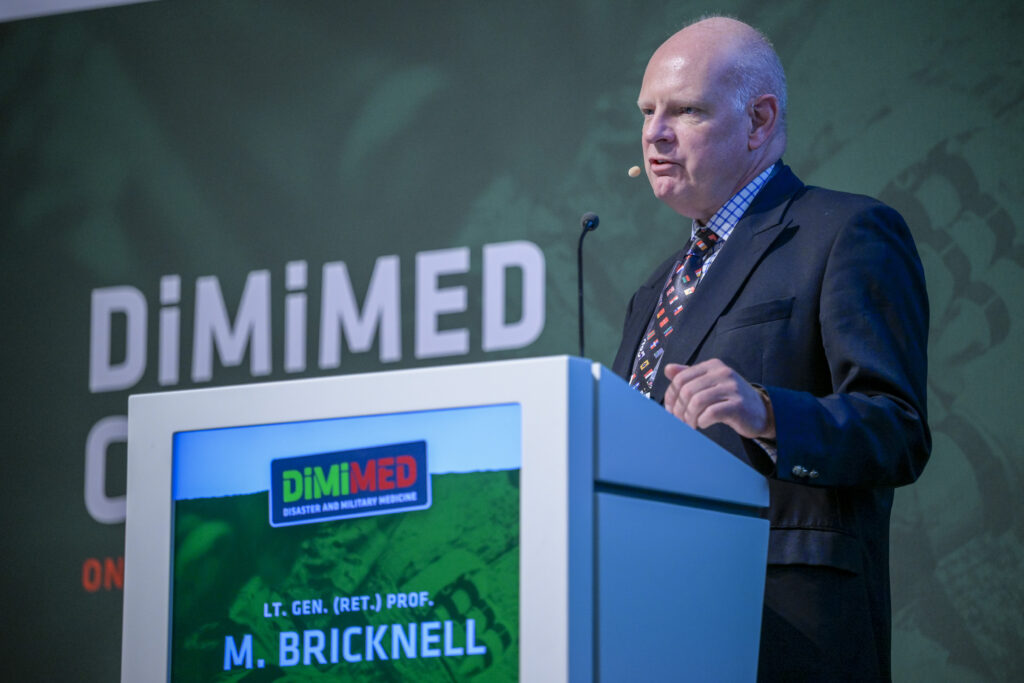
One of the highlights of the conference was the presentation of the new “Handbook of Military Medicine for the Battlefield”, edited by retired Lieutenant general Prof. Dr. Martin Bricknell, retired UK Surgeon General, Dr. Joachim Hoitz, and Aleksandar Smiljanic. It is intended to serve as a practical, compact reference work for European armed forces, similar to the US “Fundamentals of Military Medicine.”
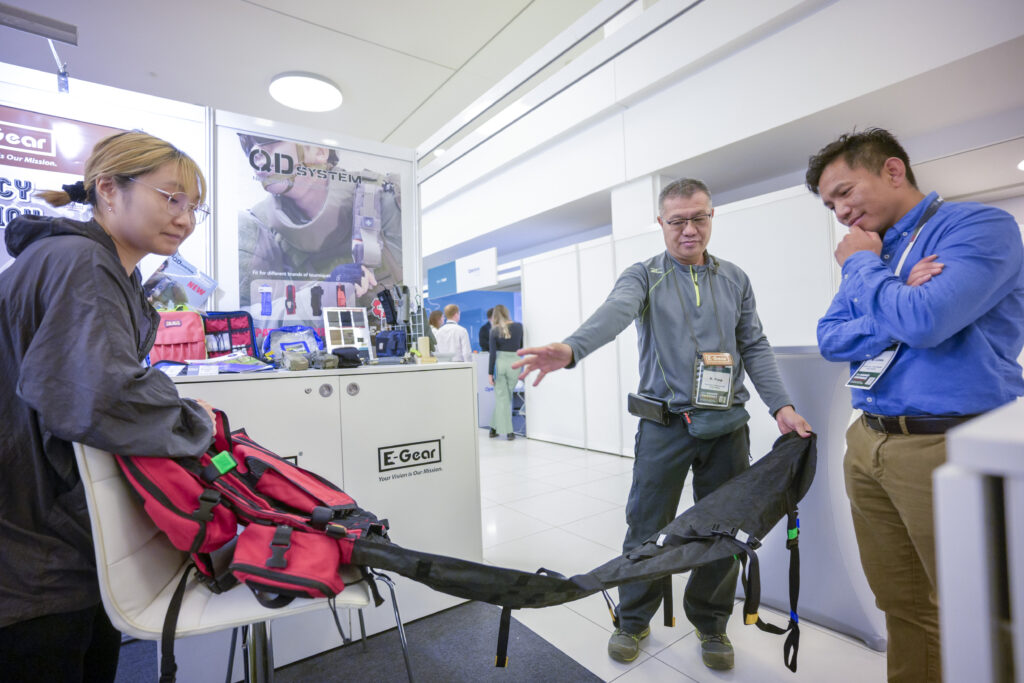
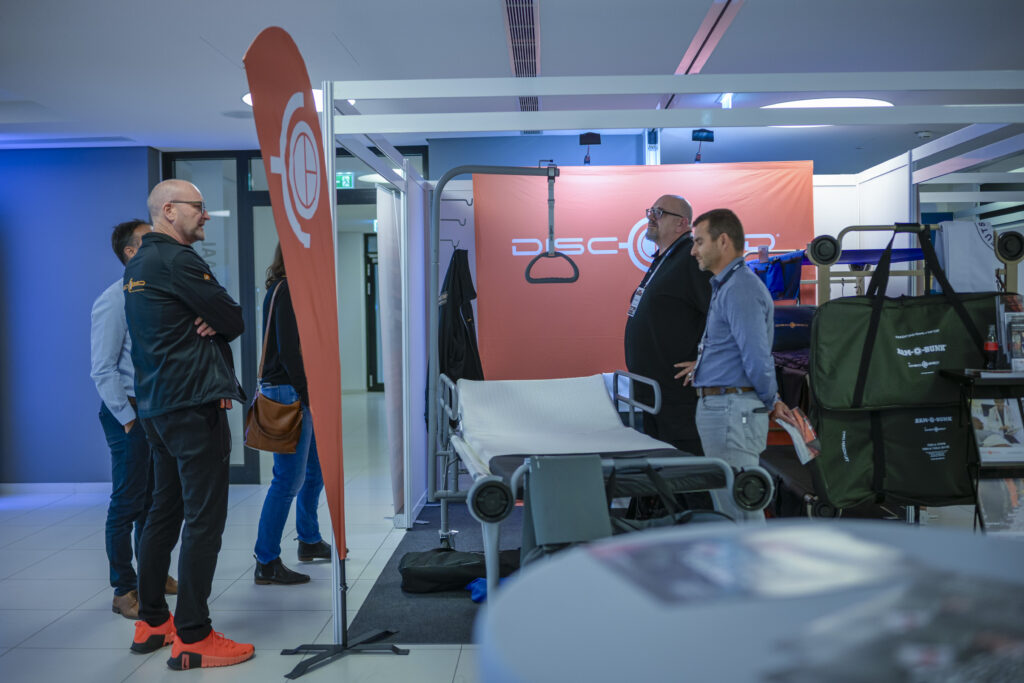
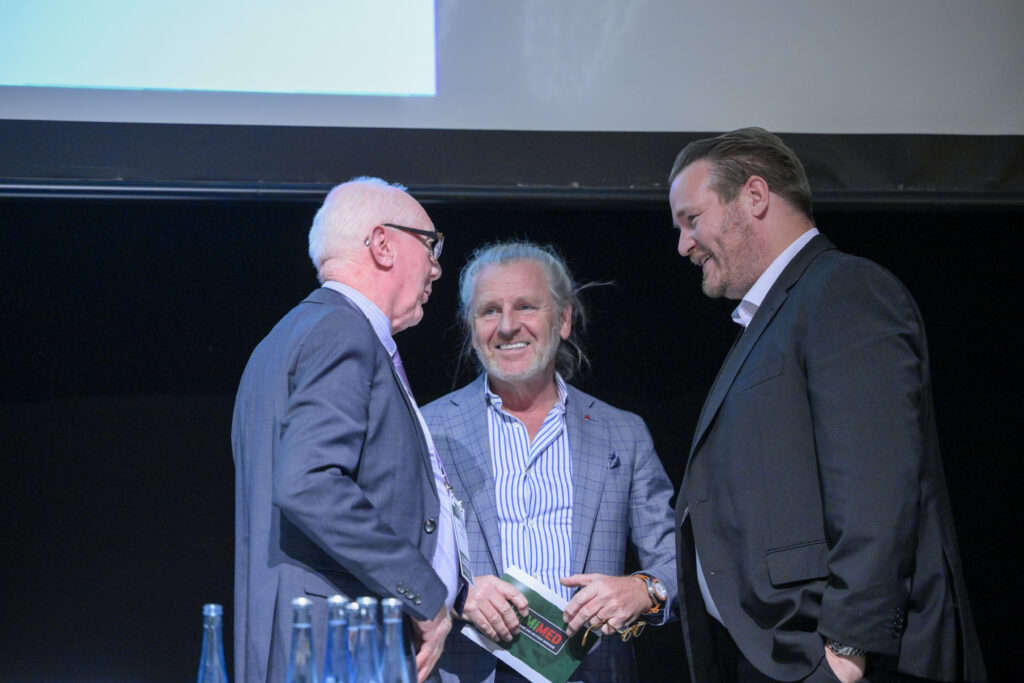
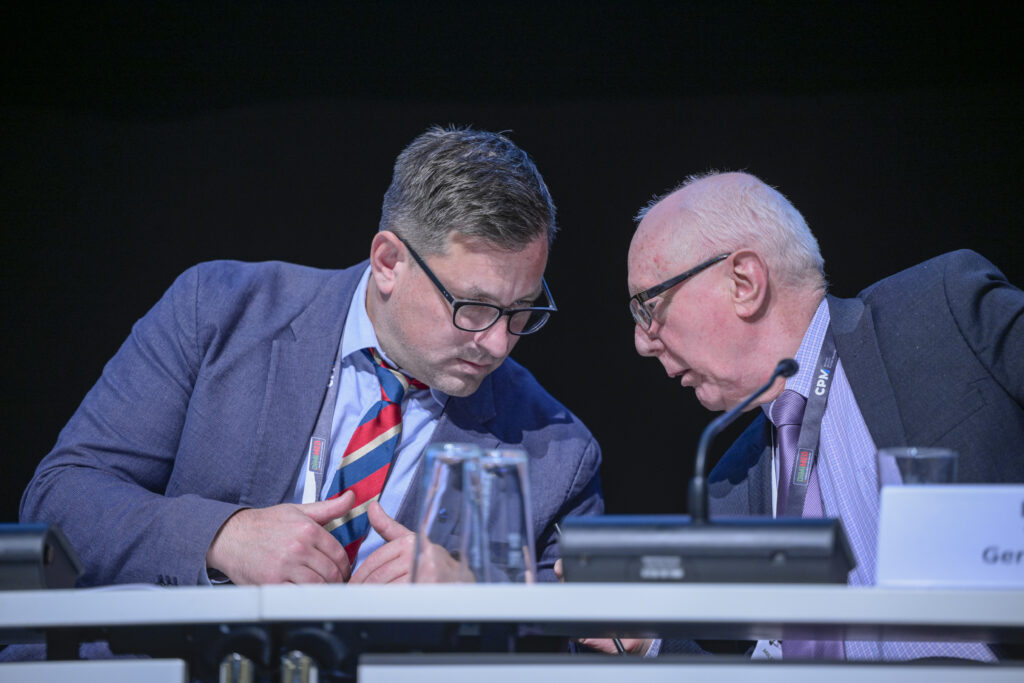
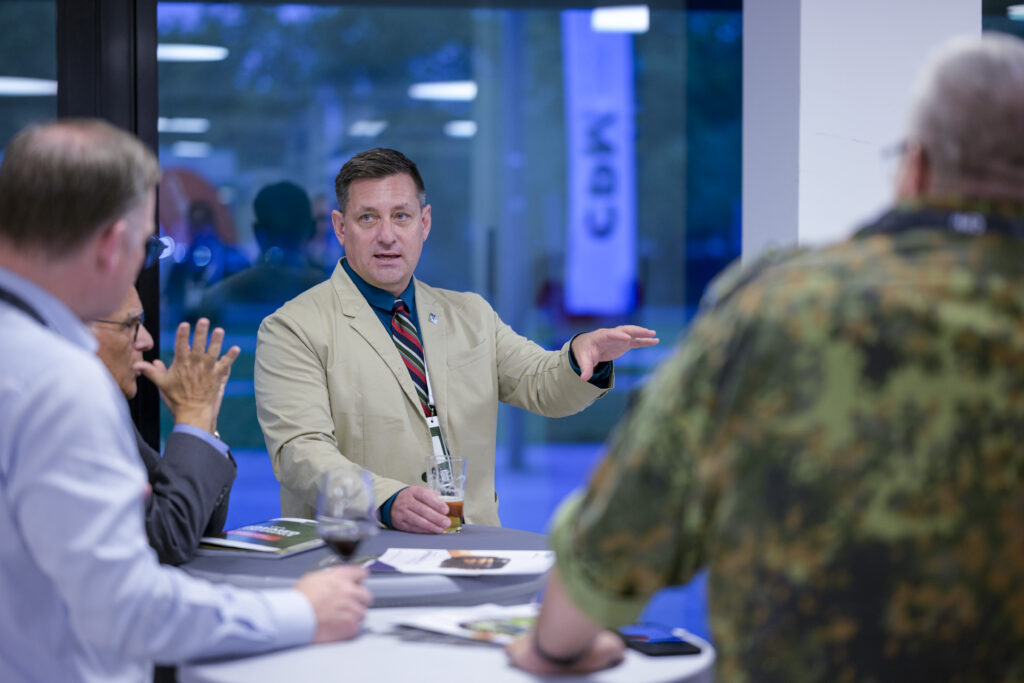
“This year’s DiMiMED was fantastic,” summarized Colonel (ret.) Gerald Kerr, former Surgeon General of the Irish Defence Forces, co-chairman of the DiMiMED conference. “The speakers and presentations were better than ever before. The other dimension – also important for DiMiMED – is the interaction between participants. The facilities here were more than suitable for this.”
DiMiMED 2025 clearly showed that proven concepts from previous conflicts are no longer sufficient. Only through international cooperation, practical training, modern technologies, and bold regulatory reforms can military medicine be made fit for the challenges of future conflicts and crises.
Photographer: Sascha Schürmann
Ad
Contact for
Sponsoring Packages & Exhibition

Deputy Head of Sales
– Head of Military Medical Programmes
CPM Verlag GmbH
Carl-Zeiss-Straße 5
53340 Meckenheim
Tel.: +49 (0)22 25 / 88 89-260
[email protected]
www.cpm-verlag.com
Contact for
Organisation & Program
Head of Events
CPM Verlag GmbH
Carl-Zeiss-Straße 5
53340 Meckenheim
Tel.: +49 (0)22 25 / 88 89-122
[email protected]
www.cpm-verlag.com
Contact for
Organisation

Student Trainee Events
CPM Verlag GmbH
Carl-Zeiss-Straße 5
53340 Meckenheim
Tel.: +49 (0)22 25 / 88 89-221
[email protected]
www.cpm-verlag.com